Winter School Bus Safety During Snowstorms
Every winter, driving a school bus becomes a lot more than just getting from point A to point B. When dark mornings meet ice, snow or freezing rain, even experienced drivers need to stay extra alert. School Bus Safety During Snowstorms is crucial to keep students protected on icy and snowy roads. Roads get slippery, visibility drops and a bus’s weight means it takes much longer to stop. What makes a school bus one of the safest ways to travel during normal days is really put to the test when winter weather hits.
Driving safely in snowstorms means understanding that things you normally plan for can suddenly become unpredictable. Walls of snow can hide the horizon, ice can appear out of nowhere, and traffic around you may be struggling too. Drivers, students, and everyone on the road have to stay aware and adjust constantly. Winter school bus safety is not just about the bus itself it depends on visibility, how quickly drivers react, and being prepared for anything the road throws at you. That’s why winter takes preparation to a whole new level.
Weather Awareness Before The Journey
Winter school bus safety starts with understanding how unpredictable the winter weather can be. Snow and ice can appear suddenly even on roads that look safe and hidden objects or frozen patches can make driving dangerous. Drivers should adjust their expectations and always be prepared since winter rarely allows avoiding travel. The most important thing is to check the snow day prediction from the advance tools and websites and then prepare your journey.
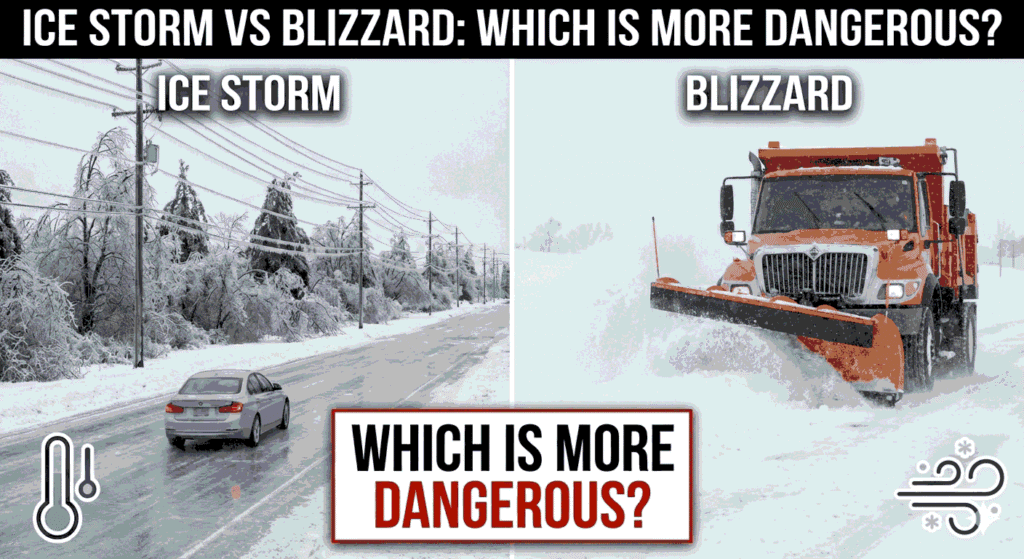
Snow conditions can range from light flurries to heavy blizzards, reducing visibility and creating difficult roads. High snowbanks limit sightlines and affect spatial awareness, especially when melting snow or heavy rain causes flooding. Bridges and shaded areas can freeze first, creating hidden hazards while strong winds can push buses and blow debris into their path.
School administrators and transportation directors should notify drivers in advance of severe weather, plan for earlier route start times in the morning or earlier student dismissal in the afternoon and provide alternate routes if roads are unsafe. Clear communication with families is essential so they know when students will be picked up or dropped off, keeping everyone informed and safe during winter conditions.
Winter Bus Safety Preparation
- Bus safety begins before the bus even moves; drivers need extra time to prepare during winter months.
- Pre trip inspections are essential: heaters, defrosters, and fans must work properly.
- Test windshield wipers and ensure washer fluid is full.
- Make sure all exterior lights (headlights, brake lights, emergency lights, flashing lights) are working.
- Clear all snow and ice from windows, mirrors and lights for good visibility.
- Check that wipers are not frozen and blades are in good condition.
- Equip buses with windshield scrapers and treat windows to prevent fogging or icing.
- Use additional fans to assist with defrosting when needed.
- Keep buses stocked with emergency supplies:
Safety Supplies for Every Bus
- First aid kit
- Extra blankets
- Flashlights and batteries
- Non perishable snacks
- Water bottles
Fleet preparation for winter:
- Make sure tires have sufficient tread; install winter snow tires.
- Use automatic snow chains if required.
- Test vehicle batteries for strong charge capacity.
- Check heaters and defrosters are working properly.
- Install new windshield wipers if needed.
- Keep fuel tanks as full as possible.
Important Reminder: Drivers at Student Transportation of America are responsible for the safety of 1.25 million children daily. Since 25% of vehicle crashes happen due to bad weather, proactive winter preparation is critical to keep students safe.
You may also like to know about: is driving in snow dangerous
Review Safe Driving Techniques
School bus drivers must be reminded to drive with extreme caution during winter weather. Sudden starts, stops or steering can cause loss of control on slick roads. Schools should prepare their bus drivers for winter school bus safety by using videos and roundtable discussions, where experienced drivers share tips with new drivers. The top priority is to stay alert and watch speed, space, starts, stops and nearby vehicles. The Six Sec of School Bus Safety space, speed, starts, stops, steering and sight are key for safe winter driving. Districts should work with partners to decide when weather affects school closures or transportation.
Other vehicles must also use caution around their school buses in winter. Because buses are heavier so that they need slower speeds and longer braking time. Drivers should plan for three times the normal braking distance and keep a six second following distance. Always watch for black ice, which often forms overnight, in early mornings, on bridges, overpasses and shaded areas that stay icy longer than other roads.
Protecting Students at Every Stop
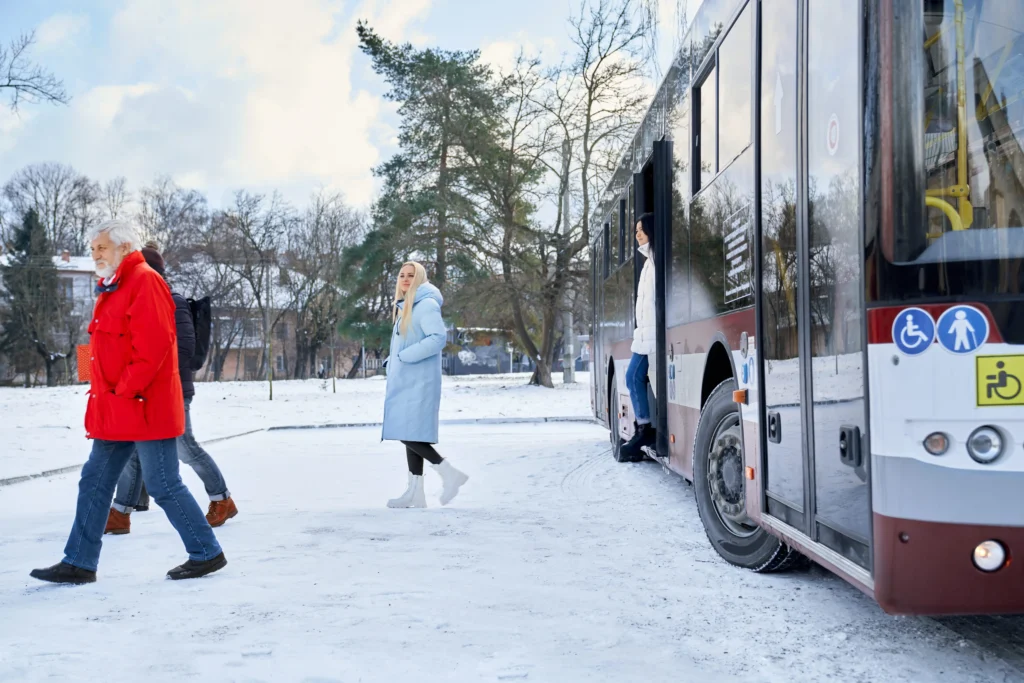
Most bus related student fatalities happens during the loading and unloading of the bus, so drivers must use extra caution at bus stops, school zones, in all loading and unloading areas. Drivers should always guide the students to use handrails, count students before and after boarding, and never move the bus until everyone is accounted for. If a student is missing then the driver must do a total shutdown to check outside because this include in his responsibility. Extra care is needed when students cross roads especially in bad weather and routes should be adjusted to reduce road crossings.
Adverse driving conditions increase risk, especially when student behavior adds stress. Schools should remind the students about the bus rules through announcements and teacher guidance. At STA, safety starts early with road checks, bus inspections and equipment preparation. Students should dress warmly, arrive early, stay alert, avoid distractions, stand back from the road and stay out of snow while waiting. Being patient, walking carefully, using handrails, wearing bright clothing, and avoiding pushing or playing near the bus all help keep everyone safe during winter conditions.
PSW Skills That Protect Students
Schools that want to empower their drivers can offer 4 hours of comprehensive PSW bus driver training. This training includes modules on detailed inspections and safe driving in bad weather, helping districts better protect student safety. When districts work together with PSW training programs, they build a strong base for a safer school commute through proper preparation and skill development that focuses on winter’s special challenges.
This specialized training goes beyond basic certification requirements. It gives drivers practical techniques to handle the risks of winter weather. By investing in focused professional development that covers seasonal issues such as pre trip inspection protocols and emergency response procedures transportation departments help their teams maintain the highest standards during the most difficult months of the year.
How Schools Reduce Risk During Snow Storms
Look, when it comes to keeping kids safe during snowstorms, schools are not just winging it they have got this whole system down. First off, they are checking weather reports like crazy, sometimes days ahead, working directly with meteorologists to know exactly when that storm’s gonna hit. Then they blast out messages to parents through every channel imaginable texts, emails, robocalls, social media, you name it so nobody’s caught off guard about delays or closures.
Behind the scenes, transportation teams are going through every single bus with a fine tooth comb, making sure tires have good tread, heaters work, and there is emergency gear like blankets and flashlights stocked up. Bus drivers get extra training on handling icy roads and how to triple their braking distance when things get slippery. The district coordinates with city road crews to make sure routes near schools get plowed and salted first. On storm days, they will often start routes super early in the morning or let kids out early in the afternoon to dodge the worst of it.
Drivers know alternate routes to avoid roads that haven’t been treated yet and they are constantly radioing back and forth with dispatch. Meanwhile, schools are teaching kids the basics wear bright clothes so the bus can see you, do not mess around in snowbanks at the bus stop, give yourself extra time, and for heaven’s sake, use the handrail when those steps are icy. Inside the building, administrators are glued to weather updates, ready to keep everyone inside if conditions go south fast. It is basically this massive coordinated effort between weather monitoring, communication, equipment checks, driver training and common sense safety rules that keeps everyone as safe as possible when Mother Nature decides to dump snow on us.
Safety Procedures for School Buses Stuck in Bad Weather
When a bus gets stuck during bad weather, drivers should stay calm and call for help right away. In most emergencies, the safest place is inside the bus. Supervisors should tell the drivers to keep the engine running and the heater on so students stay warm until help arrives. If there is a danger that another vehicle might hit the bus from behind because of poor visibility, the driver should move students toward the front of the bus.
Emergency protocols should be reviewed often so drivers can act quickly without confusion in adverse situations. Clear communication between drivers and dispatch centers, along with GPS tracking systems, helps to confirms that stranded buses get help fast and that students stay safe from harsh weather until rescue teams arrive with the right equipment.